24-03-2020
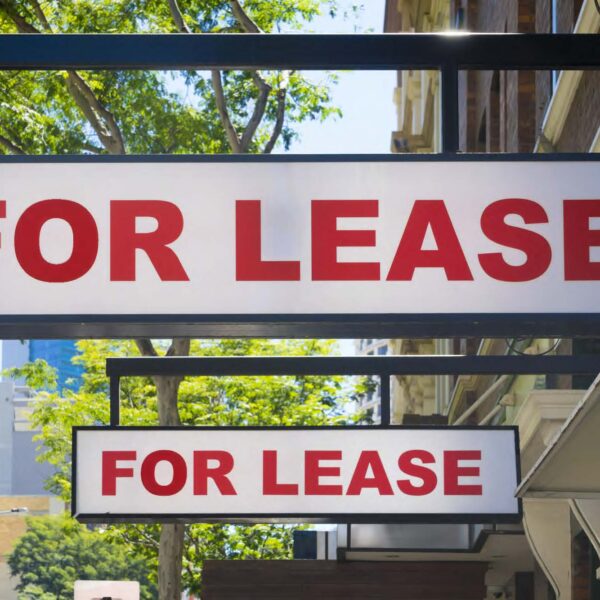
With the rapid outbreak of Coronavirus (COVID-19) and the recent announcements in New South Wales and Victoria of lockdown, landlords and tenants are questioning how the virus will affect them. In particular, tenants under commercial or retail leases are questioning the viability of their businesses under the current environment and their options for terminating their lease.
In the absence of a force majeure provision, frustration, or vitiating factors, a tenant will generally not be entitled to stop making rental payments purely because they have been forced to stop trading. In fact, many leases require a tenant to remain open during ordinary business hours. Accordingly, the tenant would need to make the decision to stop trading in the knowledge that they will still generally be liable for rental and other payments due under the lease.
Generally, force majeure clauses provide a party with a right not to perform its contractual obligations if that performance is impacted by events outside its control, such as war or a natural disaster. Under the current climate, a force majeure clause may provide the best remedy for a party wishing to avoid a lease.
The term force majeure does not have a standard meaning, and it is important that the clause is carefully examined to determine what constitutes a “force majeure event” and the rights conferred on the parties in the event that there is such an event.
The term may be defined broadly to include events:
The term may also be defined in the agreement to include other specific events. However, if there is no definition of what constitutes a “force majeure event”, there is a risk that the clause will be determined void for uncertainty.
Ultimately, whether a tenant is entitled to terminate the lease under any force majeure provisions will depend on how the clause was drafted. Otherwise, this will generally rely on the common law understanding of force majeure.
In Victoria, the standard lease terms do not include a force majeure clause as a standard provision, so it will be a rare tenant that has one.
Generally, frustration occurs where a tenant can point to an event which makes further performance of its obligations fundamentally different from the situation it contracted for.[1]
The circumstances in which the doctrine of frustration can apply to leases are exceedingly rare, and the following factors are relevant:
A landlord under a lease is required to provide a tenant with quiet enjoyment, and the consequence of a closure by a landlord will vary from lease to lease.[2]
Leases will often contain a requirement that the tenant comply with all laws. The right to close a shopping centre will largely depend on whether a shutdown is Government mandated as opposed to a directive or recommendation only. Generally, a contract cannot require a party to act unlawfully. Therefore, keeping a building open in the face of laws that say the landlord must not, is not a term of a contract that will be enforceable.
However, it is common for leases to include provisions, or have such provisions implied, that a tenant is entitled to rent reductions and to be excused from other payments due and payable under the lease if the tenant cannot reasonably access or use the premises.
Finally, the landlord may be liable to pay the tenant reasonable compensation for loss and damage in certain circumstances if the tenant is unable to access the premises as a result of actions taken by the landlord, including:[3]
However, these provisions do not apply to action taken by a landlord as:
Given this, it is important that parties are aware of government guidelines, directives and laws.
If you are a landlord or tenant and have an issue or question relating to how your rights or liabilities under the lease are affected by the Coronavirus (COVID-19), please Contact Us or one of the Commercial Lawyers at DSA Law on (03) 8595 9580 so we can assist you with your concerns.
[1] Davis Contractors Ltd v Fareham Urban DC [1956] UKHL 3.
[2] Hawkesbury Nominees v Battik [2000] FCA 185.
[3] Retail Leases Act 2003 (Vic) s 54.

07-03-2019

22-02-2019

07-03-2019
Sign up for our newsletter to get the latest articles and blogs—delivered straight to your inbox!